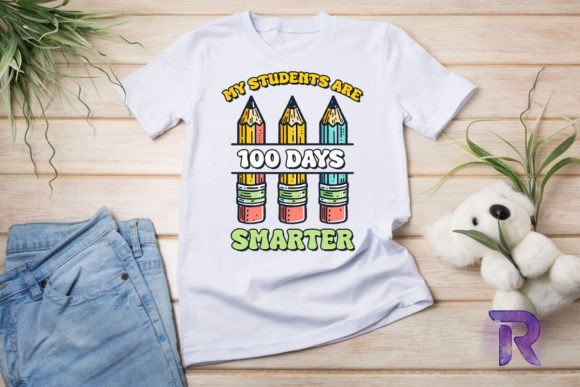
Teacher My Students Are 100 Days: Design Review
As a professional embroidery digitizer and product reviewer, I approach every new machine embroidery design with a critical eye. When evaluating the "Teacher My Students Are 100 Days" graphic for real-world application, my first thought isn't just about how cute it looks on a screen, but how it will actually perform under the needle. This design captures a specific milestone mood that is incredibly popular in the education community, but translating digital graphics into stitched reality requires careful consideration of fabric, density, and end-use.
First Impressions and Visual Personality
Upon opening the digital embroidery file, the layout immediately suggests celebration without being chaotic. The typography balances playfulness with legibility, which is crucial when stitching text. In the world of T-Shirt Designs, readability is everything; if the student cannot read it from three feet away in a classroom photo, the design fails its purpose. The visual hierarchy here feels intentional, guiding the eye through the message naturally. For an Etsy seller or craft business owner, this clarity translates directly to better product photography and higher conversion rates because the customer instantly understands the sentiment.
The design assets included are versatile enough to serve as both a standalone centerpiece and a complementary element. Whether you are planning a sweatshirt embroidery project for a teacher appreciation gift or creating matching classroom decor, the aesthetic remains consistent. It avoids the cluttered look that often plagues milestone designs, making it a strong candidate for modern, clean handmade products.
Real-World Application: The Teacher Sweatshirt Test
To truly evaluate this design, I mentally placed it in a specific scenario: creating a custom crewneck sweatshirt for a kindergarten teacher celebrating the 100th day of school. This is a high-stakes embroidery project because sweatshirts are worn, washed, and photographed extensively. The "Teacher My Students Are 100 Days" theme demands brightness and cheer, so I considered using vibrant thread colors against a heather grey or navy background.
In this context, the design performs well as a left-chest placement or a full-back statement piece. However, because sweatshirt fleece has a textured surface and significant stretch, the stitch density becomes a primary concern. If the original file is too dense, it will create a bulletproof patch that pulls the garment; if it is too sparse, the fleece texture will show through the letters. As a reviewer, I advise testing this specific embroidery file on a scrap of similar weight fleece before committing to the final custom apparel. Using a cutaway stabilizer is non-negotiable here to maintain registration and prevent the design from distorting after washing.
For those considering this as a tote bag design, the transition is seamless. Canvas provides a stable foundation that handles detailed lettering better than knit fabrics. This makes the design an excellent choice for personalized gift sets where a shirt and bag are sold together. The versatility allows a small shop product line to expand without needing to purchase separate assets for different substrates.
Navigating Fabric Limitations and Hoop Constraints
While "Teacher My Students Are 100 Days" is adaptable, it is not immune to physical limitations. Experienced makers know that not all fabrics are created equal. Here is where caution is required:
- Stretchy Knits and Ribbing: If applying this to a baby onesie or a ribbed tank top, the vertical stretch can distort horizontal text. Always use a fusible backing and consider sizing down the design to fit within the stable center of the garment.
- Textured Fabrics: On terry cloth towels or minky blankets, fine details like running stitch outlines may get lost. You may need to add a topping stabilizer or increase the underlay stitches to ensure the design sits on top of the pile rather than sinking into it.
- Small Hoop Sizes: Before purchasing, verify your machine’s maximum field size against the design dimensions. Resizing a complex design with text can alter stitch counts and aspect ratios. If you must resize, do so in small increments and re-test.
- Dark Fabrics: High contrast is key. If stitching white text on black cotton, ensure the fill stitch has adequate coverage. A single pass might look grey or sheer; a double pass or specialized underlay ensures opacity.
For baby embroidery items specifically, check the back of the stitching. Dense fill stitches can be abrasive against sensitive skin. If the reverse side feels rough, consider using a soft backing or opting for an applique design variation if available, which typically uses fewer stitches and creates a softer finish.
Commercial Viability and Brand Consistency
For the commercial embroidery entrepreneur, this design represents more than just a seasonal trend; it is a recurring revenue stream. The 100-day milestone happens every single school year, providing predictable demand. However, professionalism dictates that you verify licensing terms before selling finished goods. Ensure your purchase includes commercial rights for physical products. While the description mentions suitability for printables and iron-on transfers, always confirm the specific scope regarding embroidered merchandise.
Brand consistency matters. If your shop specializes in minimalist aesthetics, ensure the font style of "Teacher My Students Are 100 Days" aligns with your existing catalog. A jarring mismatch can confuse buyers. Conversely, if you sell bright, eclectic teacher gear, this design likely slots in perfectly. Creating printable mockups that accurately represent the stitched texture helps manage customer expectations and reduces returns. Show the design on the actual garment type you intend to sell, not just a flat digital preview.
Designer Notes for Optimal Results
Before you thread your needle, run through this practical checklist to ensure your finished product meets professional standards:
- Test Stitch is Mandatory: Never skip this step. Variables in thread tension, bobbin type, and fabric batch can change outcomes. Test on the exact material you plan to use.
- Check Thread Contrast: View your thread selection in natural light. What looks distinct on a monitor may blend together in ambient classroom lighting.
- Evaluate Stabilizer Pairing: Match the stabilizer to the fabric, not the design. Lightweight cotton needs tear-away; performance wear needs cutaway; velvet needs water-soluble topping.
- Inspect Small Details: Zoom in on the digital file. Are there tiny serifs or decorative dots that might become thread nests? If so, edit them out or simplify before stitching.
- Mockup Realism: When listing on Etsy or social media, use photos of actual stitched samples whenever possible. Digital renders are useful for planning, but customers trust the texture of real design assets brought to life.
- Wash Testing: For items like aprons or tea towels that face frequent laundering, wash and dry your test sample to check for puckering or thread shrinkage before selling.
Ultimately, "Teacher My Students Are 100 Days" is a delightful concept with strong potential for holiday embroidery and milestone celebrations. Its success in your studio depends entirely on technical execution. By respecting the interplay between the digital file and the physical substrate, you transform a simple graphic into a cherished keepsake. Whether you are crafting a handmade product for a favorite educator or building inventory for your online boutique, approaching this design with technical mindfulness ensures the final result is as durable as it is celebratory. Remember, in embroidery, the difference between a good design and a great product lies in the details of production.