Pre-k Squad 100 Days of School T-Shirt Review
As a professional embroidery digitizer and product reviewer, I approach every new graphic with a specific question: will this actually stitch out well, or is it just a pretty picture? When evaluating the Pre-k Squad 100 Days of School T-Shirt design, my focus shifts immediately from screen to fabric. This milestone celebration is a staple for parents and teachers, but translating a digital graphic into a tangible machine embroidery design requires careful consideration of structure, density, and end-use application. While the provided assets include high-resolution PNGs at 4500×5400 pixels and vector files like AI, EPS, and SVG, these are primarily print-ready formats. For those of us in the craft business or running an Etsy shop, understanding how to adapt this artwork for needle and thread is the difference between a frustrated customer and a five-star review.
First Impressions and Visual Hierarchy
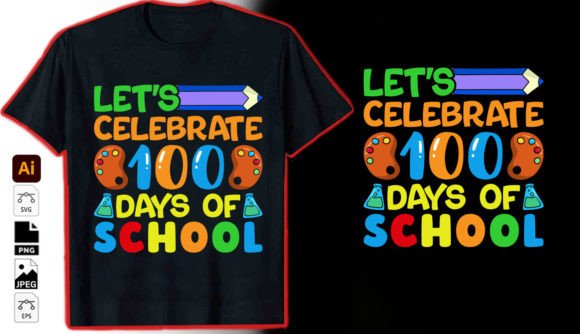
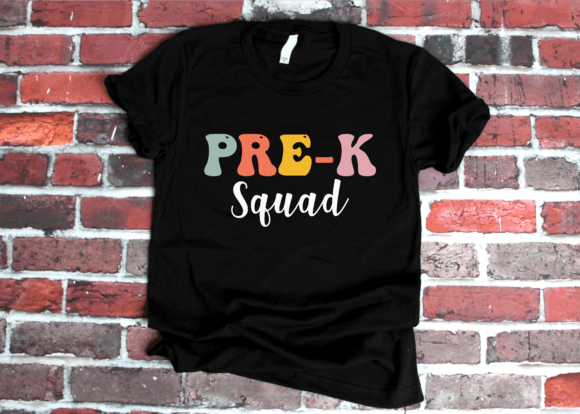
Visually, the Pre-k Squad 100 Days of School T-Shirt concept carries a playful, celebratory energy that resonates deeply with the early education demographic. The layout typically balances bold typography with whimsical illustrative elements, creating a focal point that photographs beautifully for printable mockups. However, as an embroiderer, I look past the color palette to assess the negative space and line weight. The "Squad" aesthetic often implies grouped elements or badge-style layouts, which can be excellent for embroidered patches or chest placements on custom apparel.
The mood is undeniably festive, making it a strong candidate for personalized gifts and classroom merchandise. Yet, because this originates as a graphic asset rather than a native digitized file, the transition to stitches requires intention. The clean lines seen in the 300 dpi PNG suggest distinct color blocks, which is promising for appliqué or defined fill areas. If you are planning to use this for sweatshirt embroidery or heavy cotton tees, the visual weight feels appropriate. It avoids being too dainty, which helps maintain legibility when scaled down for smaller garments like toddler sizes.
Real-World Application: The Custom Sweatshirt Test
To truly evaluate this design, I mentally placed it in a real-life production scenario: creating a custom crewneck sweatshirt for a preschool teacher’s 100th-day celebration. Sweatshirts are a high-value item for any handmade product line, but the fleece backing and knit face present unique challenges. In this context, the Pre-k Squad 100 Days of School T-Shirt design serves as a central motif.
For this project, I would not simply run a dense fill stitch across the entire graphic. Instead, I would interpret the design as an applique design. Using the SVG file as a template for cutting fabric pieces allows for a lighter, more flexible finish that won’t cause the sweatshirt to pucker or feel like armor. The bold lettering in "100 Days" lends itself perfectly to a combination of satin stitch borders and interior fills. This approach preserves the integrity of the garment while ensuring the finished product remains soft enough for all-day wear. Customers buying from small shops expect commercial-grade durability; they want the design to survive dozens of wash cycles without the letters sinking into the fleece texture. By adapting the graphic intelligently, we elevate it from a simple print replacement to a premium textile art piece.
Navigating Fabric Limitations and Hoop Constraints
While the design shines on stable knits, caution is necessary when venturing into other substrates. As T-Shirt Designs, these graphics are often requested for lightweight summer tees or performance wear. Here, the original resolution and complexity matter immensely. If the design contains intricate shading or tiny text details visible in the high-res PNG, those elements may become mud when stitched with standard 40-weight thread. On thin or stretchy fabrics, excessive stitch density can lead to tearing or distortion. I always recommend testing on scrap fabric first, using the exact same stabilizer setup intended for the final project.
Furthermore, consider your hoop size. The aspect ratio of the provided 4500×5400 image suggests a portrait orientation. If you are working with a standard 4x4 hoop, significant resizing or splitting will be necessary. Resizing a non-native embroidery file downward can result in lost details, while scaling up can expose gaps in coverage. For baby embroidery projects, where the decoration area is limited, you might need to isolate specific elements—like just the "100" numeral or the "Pre-k Squad" text—rather than forcing the full composition. Always verify that your digitizing software can properly trace the imported vectors before committing to a stitch-out.
Commercial Viability and Product Value
For the Etsy seller or boutique owner, this design offers versatile commercial potential beyond apparel. The inclusion of vector files makes it adaptable for mixed-media products. I can easily envision this artwork translated into a vinyl decal for a tumbler paired with a matching embroidered tote bag. Consistency across product lines builds brand recognition and trust. When customers see cohesive design assets applied professionally across different mediums, perceived value increases.
However, professionalism also means respecting licensing and technical limits. Before listing any commercial embroidery items, confirm that your purchase includes rights for physical product sales. Additionally, ensure your digitized version respects the original artist's intent while functioning mechanically. A poorly digitized version of this design could lead to returns due to puckering or thread breaks, damaging your shop's reputation. High-quality execution signals to buyers that you care about the longevity of their holiday embroidery or school milestone keepsakes.
Essential Designer Notes for Success
If you decide to incorporate the Pre-k Squad 100 Days of School T-Shirt graphic into your workflow, keep these practical guidelines in mind:
- Verify File Compatibility: Remember that AI, EPS, SVG, and PNG are graphic formats, not stitch files. You must digitize them or hire a digitizer to create a functional digital embroidery file.
- Test Contrast: View the design in black and white before stitching. If the contrast relies solely on color differences rather than value changes, the embroidery may look flat. Adjust thread colors to ensure distinct separation between elements.
- Stabilizer Selection: Match your stabilizer to the fabric weight. For the sweatshirt scenario mentioned earlier, a cutaway stabilizer is non-negotiable to prevent tunneling around satin stitches.
- Detail Management: Simplify where necessary. Tiny serifs or decorative dots in the original graphic may need to be removed or enlarged to accommodate the physical thickness of embroidery thread.
- Mockup Accuracy: Use realistic printable mockups that reflect the texture of embroidery, not just the flat graphic. This manages customer expectations regarding the tactile nature of the small shop product.
- Licensing Check: Explicitly review the terms regarding POD sites versus handmade production. Just because a file works for a mug print doesn't automatically grant rights for mass-produced embroidered patches.
Ultimately, the Pre-k Squad 100 Days of School T-Shirt design is a vibrant starting point for celebrating academic milestones. Its success in embroidery depends entirely on the maker's willingness to translate pixels into stitches with technical precision. By respecting the mechanics of the medium and adapting the artwork to suit specific fabrics and applications, you can transform this digital asset into a cherished, high-quality embroidery project that delights both little learners and their proud families.