I Teach the Cutest Elves Retro SVG Review
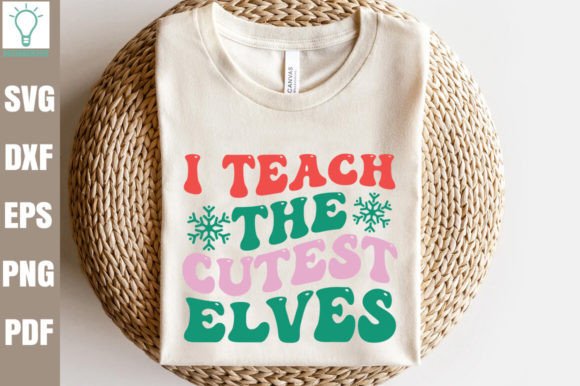
As a professional designer who bridges the gap between digital graphics and tangible textile art, I approach every new asset with a critical eye. When evaluating I Teach the Cutest Elves Retro SVG, my first thought isn't just about how cute it looks on a screen, but how it will translate into thread. This design carries a distinct nostalgic weight that resonates deeply with current market trends, specifically for educators and holiday enthusiasts. The retro aesthetic offers a warmth that modern, flat vector art often lacks, making it an immediate contender for seasonal collections. However, moving from a digital T-shirt design to a physical embroidery project requires careful consideration of line weight, color separation, and fabric interaction.
Translating Retro Graphics to Stitched Reality
The visual personality of this design is undeniably charming. It evokes mid-century holiday illustrations, which pairs beautifully with textured fabrics like cream waffle knit or heathered sweatshirt fleece. As a machine embroidery design, the retro style actually works in our favor. Unlike hyper-realistic images that demand thousands of stitches and high density, retro graphics often rely on bold shapes and limited color palettes. This makes I Teach the Cutest Elves Retro SVG potentially easier to digitize or adapt for stitching than complex scenic designs.
When I look at the layout, I see a composition that balances whimsy with readability. For an embroidery file, this balance is crucial. If the elves are too small, facial details will get lost in the tension of the fabric. If the text is too ornate, satin stitches may become unstable. The beauty of this specific graphic lies in its blocky, vintage proportions. These shapes naturally lend themselves to fill stitches or clean applique design techniques, reducing the risk of puckering on lighter garments while maintaining that essential handmade product charm.
Real-World Application: The Teacher’s Holiday Sweatshirt
To truly judge the viability of this asset, I mentally placed it in a real-life production scenario. Imagine preparing a custom apparel order for a local elementary school teacher who wants a festive yet professional sweatshirt for the December staff party. This is where the design needs to perform beyond mere aesthetics. Teachers need durable, washable clothing that doesn't feel like a costume.
In this sweatshirt embroidery context, I Teach the Cutest Elves Retro SVG serves as an excellent centerpiece. I would position it on the upper left chest for a subtle nod to the season, or centered on the front for a bold statement piece. Because the bundle includes multiple formats, including PNG and EPS, I can easily visualize the placement before hooping. For this specific project, I would likely convert the main elf bodies into applique patches using cotton quilting fabric. This reduces stitch count significantly compared to a full fill stitch version, keeping the sweatshirt soft and wearable rather than stiff and bulletproof. The retro colors—muted greens, warm reds, and creamy whites—would pop against a sage or sand-colored fleece, creating a boutique-level finished product that feels intentional and high-value.
Navigating Fabric Limitations and Hoop Constraints
While the design is versatile, experienced makers know that not all substrates play nicely with detailed graphics. When using I Teach the Cutest Elves Retro SVG for commercial embroidery or personalized gifts, you must be mindful of scale. On a tote bag design or kitchen towel, the stable woven fabric provides a perfect canvas for crisp lines. However, if you are attempting baby embroidery on stretchy interlock knit, the complexity of retro details can distort without proper stabilization.
I advise caution when sizing this design down for small hoop sizes or cap embroidery. Retro designs often include tiny decorative elements like stars, snowflakes, or facial features. At reduced scales, these can turn into thread nests or disappear entirely. If you plan to use this for an embroidered patch, ensure the border is thick enough to support a merrow edge or satin stitch finish. Additionally, dark fabrics present a challenge; retro aesthetics often assume a light background. If stitching on navy or black, you may need to add a white underlay or adjust the thread colors to maintain contrast and prevent the design from looking muddy. Always verify that your chosen stabilizer matches the fabric texture to preserve the integrity of the artwork.
Enhancing Product Value and Customer Trust
For Etsy sellers and small shop owners, the choice of graphics directly impacts perceived value. I Teach the Cutest Elves Retro SVG offers more than just a pretty picture; it offers a narrative. Customers buying holiday embroidery are often seeking connection and nostalgia. A well-executed stitch-out of this design signals professionalism and attention to detail. When the registration is tight and the thread colors harmonize with the garment, it builds buyer engagement and trust.
This asset also supports brand consistency. If your shop focuses on vintage-inspired nursery decor or teacher appreciation gifts, this graphic aligns perfectly with that niche. It avoids the generic clip-art look that saturates the market. By utilizing the included printable mockup files or creating your own based on the PNG, you can showcase the design realistically before listing. This transparency helps manage customer expectations regarding size and color, reducing returns and increasing satisfaction with the final handmade product.
Essential Technical Notes for Makers
Before you load this digital embroidery file into your machine or send it to a contract embroiderer, run through this practical checklist. These steps ensure your creative vision survives the manufacturing process:
- Verify Licensing: Confirm whether your purchase allows for commercial embroidery of finished products versus selling the digital file itself. This distinction is vital for craft business compliance.
- Test Stitch-Out: Never skip testing on scrap fabric similar to your final project. Check for gaps between outline and fill stitches, especially around curved elf hats or limbs.
- Color Validation: Retro colors on screen differ from thread sheens. Compare your thread colors physically against the fabric in natural light to ensure the vintage mood translates accurately.
- Density Check: If digitizing from the SVG yourself, keep stitch density moderate. Overly dense retro fills can cause fabric distortion and needle breaks.
- Format Compatibility: While the bundle mentions Cricut and Silhouette compatibility for cutting, ensure you have appropriate embroidery-specific software to convert or edit the vector paths for your specific machine brand.
- Wash Testing: If selling children's items or tea towels, wash your test sample. Retro designs with running stitch details can sometimes pull or fray if not secured properly during digitization.
Final Thoughts on Design Versatility
I Teach the Cutest Elves Retro SVG stands out as a robust asset for the holiday season. Its strength lies in its adaptability across various mediums, from custom apparel to nursery decor. For the embroidery designer, it offers a refreshing break from standard cartoon characters, providing a sophisticated yet playful option that appeals to adult buyers and gift-givers. Whether you are creating a one-off personalized gift or stocking your Etsy shop with seasonal bestsellers, this design has the structural integrity and visual appeal to succeed. Just remember that successful embroidery is always a partnership between the digital art and the physical materials. Treat the design with respect for the medium, and it will yield beautiful, profitable results for your creative enterprise.