Computer Teacher SVG: A Stitcher’s Design Review
As an embroidery designer who has digitized and tested countless graphics for commercial and personal use, I approach every new file with a critical eye. When evaluating the Computer Teacher SVG, my first thought isn't just about how cute it looks on a screen, but how it will translate through the needle. This design captures a specific niche—the Information Technology educator or tech-savvy instructor—with a clean aesthetic that suggests modern professionalism. However, moving from a digital graphic to a tangible machine embroidery design requires understanding the relationship between vector lines and thread physics. After reviewing the assets included in this package, specifically the single SVG file intended for conversion or direct use, here is my practical assessment for crafters and shop owners planning their next embroidery project.
Translating Digital Lines to Thread Reality
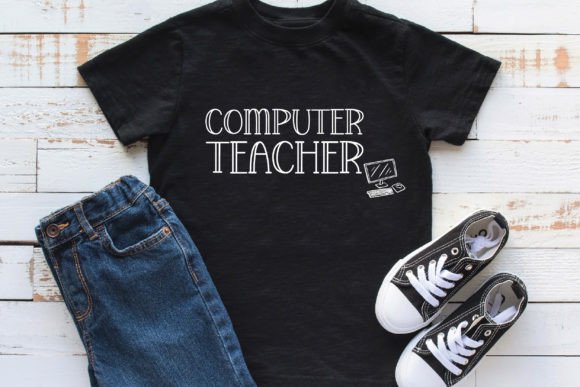
The visual personality of this Computer Teacher SVG leans towards structured geometry. Laptops, desktops, and tech icons are naturally composed of straight lines and sharp angles, which is both a blessing and a challenge for embroidery. In my experience testing similar tech-themed graphics, the primary concern is maintaining crisp corners without causing thread buildup. If you are converting this SVG into an embroidery file, pay close attention to the corner compensation settings. Sharp 90-degree angles on a laptop screen can easily become rounded or bulky if the stitch density isn't managed correctly.
For those using this as a basis for an applique design, the computer shape offers excellent coverage potential. The large, flat surface area of a laptop lid or monitor is perfect for fabric placement, reducing overall stitch count while adding texture. I recommend using a smooth cotton or polyester blend for the applique fabric to mimic the sleek look of technology. Conversely, if you are opting for full fill stitches, ensure your stitch density is balanced. Tech designs often require high contrast to define keys, screens, and ports; too much density leads to puckering, while too little leaves gaps that ruin the professional finish required for custom apparel.
Real-World Application: The IT Department Tote
To truly judge the viability of this design, I mentally placed it in a real-life scenario: creating a branded tote bag for a high school IT department retreat. This context demands durability, readability, and a professional yet approachable vibe. The Computer Teacher SVG fits this brief well because its silhouette is distinct even from a distance. For a tote bag design, scale matters. I would size this graphic to approximately 4x4 inches or larger to ensure that internal details like keyboard keys or screen reflections remain legible after stitching.
In this specific case, I would pair the graphic with a bold, sans-serif font for the teacher’s name or department title. The combination creates a cohesive handmade product that feels intentional rather than generic. Because tote bags endure significant wear, the choice of stabilizer becomes non-negotiable. For canvas totes, a medium-weight cutaway stabilizer provides the necessary support to prevent the rigid computer shape from distorting the flexible fabric base. This level of technical consideration is what separates a hobbyist attempt from a sellable small shop product. Customers trust items that hold up after washing, and proper stabilization of tech-heavy designs ensures that longevity.
Navigating Fabric Challenges and Hoop Limitations
While the Computer Teacher SVG is versatile, it requires careful handling on certain substrates. Tech graphics often contain small text elements or intricate port details that can disappear on textured fabrics. I advise against using this design on terry cloth towels or heavy fleece unless you simplify the artwork first. The pile of these fabrics tends to swallow fine running stitches and small satin columns. If you must embroider on textured surfaces for a holiday gift or winter merchandise, consider adding a water-soluble topping to keep the stitches visible and crisp.
Stretchy fabrics present another hurdle. If you are planning sweatshirt embroidery or working with performance knits for teacher uniforms, the rigid nature of a computer graphic can fight against the fabric's stretch. Always test on scrap fabric first. You may need to adjust the underlay stitches to anchor the design better before the top stitching begins. Additionally, be mindful of hoop size. While the design might physically fit in a smaller hoop, cramming a detailed tech graphic into a tight space increases the risk of registration errors. Give the design breathing room within the hoop to maintain tension consistency throughout the stitch-out.
Commercial Viability for Etsy Sellers and Makers
For Etsy sellers and creative entrepreneurs, this graphic serves as a strong foundation for niche marketing. "Teacher appreciation" is a saturated market, but "IT Teacher" or "Computer Science Educator" is a specific sub-niche with less competition. Using the Computer Teacher SVG allows you to create targeted listings that speak directly to an underserved audience. However, professional presentation is key. Before listing any finished product, create accurate printable mockups or photograph actual samples. Buyers need to see how the design interacts with the garment color and texture.
When selling items featuring this design, transparency builds trust. Clearly state whether the item is embroidered or printed, especially since the source files include PNG options for sublimation. If you are offering digital embroidery files derived from this SVG, be explicit about compatibility and testing. Not all machines handle complex tech geometry the same way. Providing notes on recommended stabilizers or thread colors adds immense value to your digital assets and reduces customer service inquiries. Remember to verify licensing terms before selling; while the ZIP contains the SVG, ensuring you have commercial rights for derivative embroidery products protects your business long-term.
Essential Pre-Stitch Checklist for Success
Before you commit this design to a final personalized gift or inventory piece, run through this practical checklist based on my review of tech-style graphics:
- Verify Detail Scale: Zoom in to 100% on your embroidery software. If keyboard keys or facial features are smaller than 2mm, they likely won't stitch cleanly. Simplify or enlarge as needed.
- Test Contrast: Tech designs rely on definition. Run a black-and-white simulation to ensure the computer stands out against the chosen fabric color without relying solely on color contrast.
- Check Licensing: Confirm the specific usage rights for the Computer Teacher SVG regarding commercial sale of physical vs. digital goods before launching your listing.
- Stabilizer Match: Select stabilizer based on the end-use. Use tear-away for stable woven fabrics only if the design is light; otherwise, default to cutaway for lasting stability on apparel.
- Thread Selection: Avoid variegated threads for tech designs unless intentional. Solid, matte, or rayon threads provide the cleanest look for electronic subjects.
- Mockup Validation: Create a printable mockup to visualize placement. A computer graphic centered too low on a chest looks unbalanced; proper positioning is crucial for perceived quality.
Ultimately, the Computer Teacher SVG is a functional and thematic asset for makers targeting the education sector. Its success in embroidery depends entirely on respecting the technical limitations of translating digital precision into thread. By approaching this design with a focus on stabilization, appropriate scaling, and fabric compatibility, you can transform a simple vector graphic into a high-value commercial embroidery product that resonates with teachers and sells confidently in your shop.